Lead-acid batteries are one of the oldest and most widely used types of rechargeable batteries. From starting your car to providing backup power for critical systems like telecommunications and data centers, these batteries are a cornerstone of modern technology. This article provides a fundamental understanding of their chemistry, structure, various types, and key performance characteristics.
A lead-acid battery generates electricity through a reversible chemical reaction. Understanding its basic components and processes is key to appreciating its function.
A single lead-acid battery cell consists of three primary active materials:
A standard cell has a nominal voltage of approximately 2 volts.
The process of storing and releasing energy is governed by a reversible electrochemical reaction.
Discharge Process: During discharge, the sulfuric acid in the electrolyte reacts with the active materials on the positive and negative plates. This reaction forms lead sulfate ($PbSO_{4}$) on both plates and produces water. As water is produced, the concentration of the sulfuric acid decreases, causing the specific gravity of the electrolyte to drop. The overall chemical reaction is:
$$ PbO_{2} + Pb + 2H_{2}SO_{4} \rightarrow PbSO_{4} + PbSO_{4} + 2H_{2}O $$
Charging Process: To recharge the battery, an external electrical current is applied, reversing the discharge process. The lead sulfate on the plates is converted back into lead dioxide and sponge lead, and the water is consumed to reform sulfuric acid. This increases the electrolyte's concentration and restores the battery's ability to supply power.
$$ PbSO_{4} + PbSO_{4} + 2H_{2}O \rightarrow PbO_{2} + Pb + 2H_{2}SO_{4} $$
Lead-acid batteries are frequently used in standby or float applications, where they are continuously charged and ready to provide power instantly if the main AC power fails. This is critical for:
Lead-acid batteries can be classified based on several key design features:
The grid is a crucial component that serves two main functions:
Pure lead is too soft for manufacturing durable grids, so it is alloyed with other metals like antimony, calcium, tin, or selenium to increase its strength and resistance to corrosion.
Pasted Flat Plate:
Tubular Plate:
Flooded (Vented Lead-Acid - VLA):
Valve Regulated Lead-Acid (VRLA):
Battery capacity is typically measured in Ampere-hours (Ah). It represents the total charge a battery can deliver at a constant current over a specific period. $$ Ah = Current (Amperes) \times Time (hours) $$ Capacity depends on the discharge rate, end-of-discharge voltage, and temperature. Therefore, it is often specified as a $C_{r}$ rating, where 'r' is the discharge time in hours.
For example, a 1000 Ah @ 10h to 1.8V @ 25°C battery can deliver 100 Amperes for 10 hours until its voltage drops to 1.8V, under an operating temperature of 25°C.
Discharge Rate: A battery's available capacity decreases as the discharge rate (current) increases. A 100 Ah battery might provide 5A for 20 hours (100 Ah), but if you draw 162A, it may only last for 15 minutes, delivering just 40.5 Ah.
Temperature:
A battery is considered to have reached the end of its life when its capacity falls below 80% of its rated value.
Temperature: This is the most significant factor. The ideal operating temperature is 20-25°C. A general rule is that for every 8.3°C increase in average operating temperature, the battery's service life is halved. The following formula can estimate the actual life ($L_{A}$): $$ L_{A} = L_{D} \times 2^{\frac{(T_{D}-T_{A})}{8.3}} $$ Where:
Cycle Life & Depth of Discharge (DOD):
Other Factors:
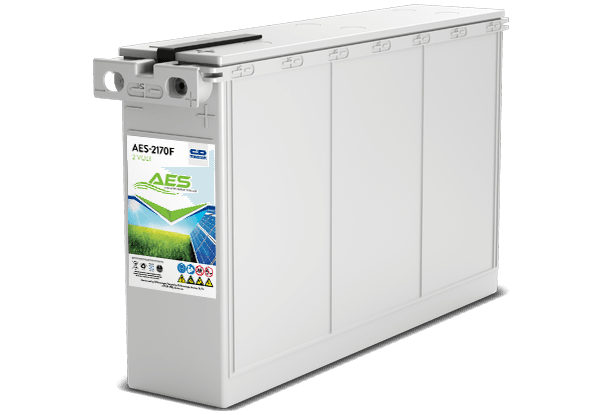
Advanced Energy Storage Nano-Carbon AGM Battery
Designed for grid-tied and off-grid energy applications requiring back-up power C&D’s Advanced Energy Storage (AES) battery line meets the demanding standards of applications that may face extreme temperature, shock, or vibration. Enhanced features such as a rugged case, Deep Cycle Series (DCS) Technology, and Advanced Nano-Carbon® technology make the AES an ideal choice for renewable energy applications, Battery Energy Storage Systems (BESS), or any application that calls for repetitive cycling.
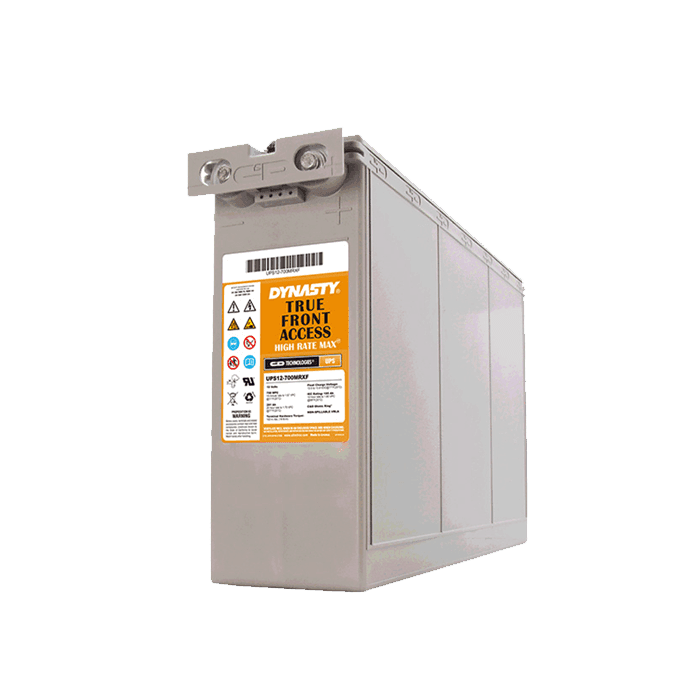
High Rate MRXF Series
True front access, high-rate power , Optimized UPS Configuration , Valve Regulated Lead Acid (VRLA) Battery Series Design For UPS Standby Power Applications
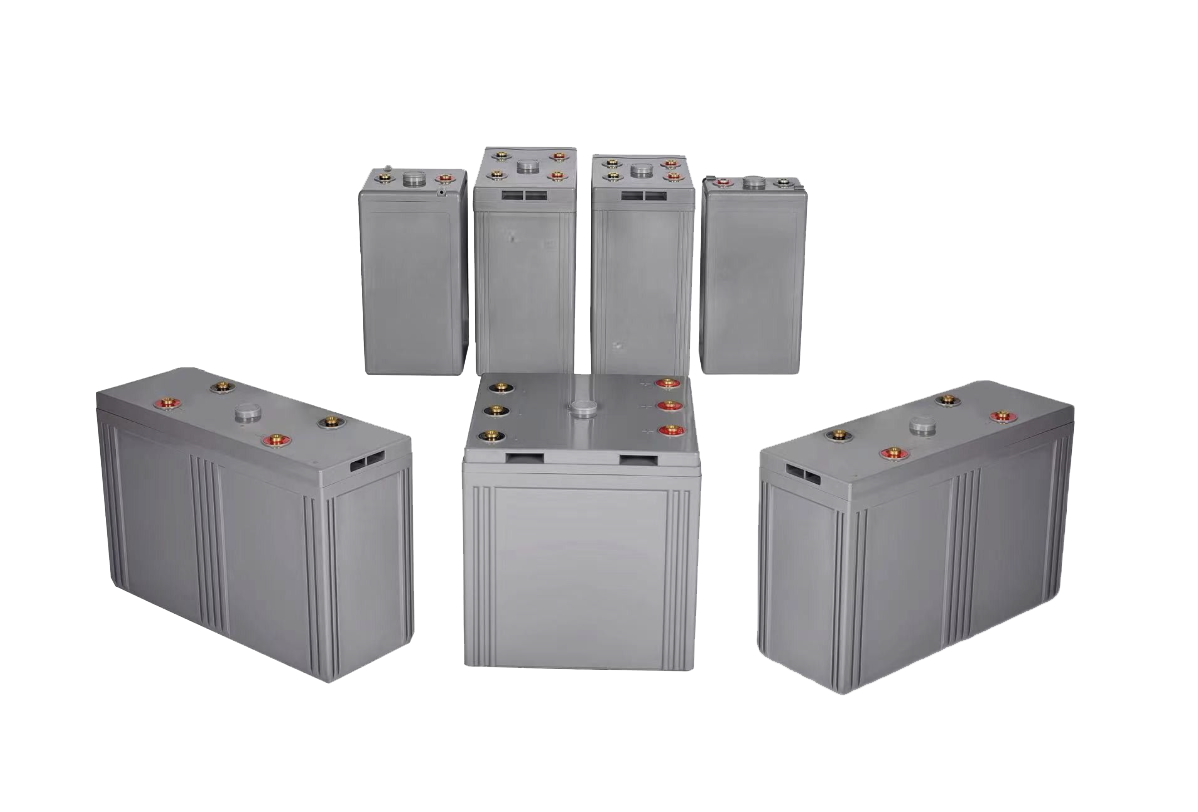
LBTY 2V Series
Wider range and higher capacity , Valve Regulated Lead Acid Battery For Standby Power Applications
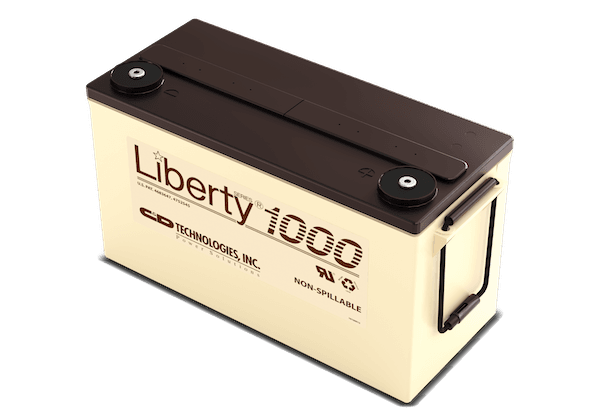
Liberty 1000 Lead Calcium AGM Battery
Liberty 1000 Lead-Calcium batteries offer long battery life with minimal maintenance due to C&D's patented processes. C&D Technologies manufactures these valve regulated lead-calcium AGM batteries for standby applications. Liberty 1000 stationary batteries fit virtually anywhere while providing superior performance in the most demanding applications.
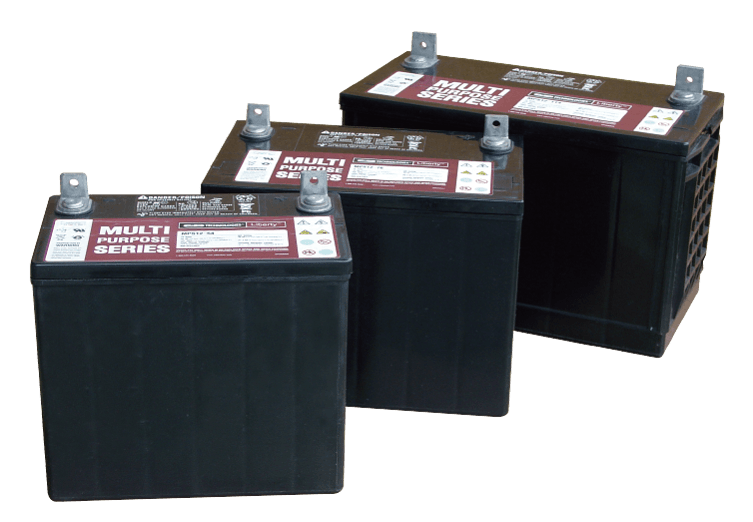
MPS Series
Reliable and longer life , Reliability & Best Value for Money , Valve Regulated Lead Acid Battery For Standby Power Applications
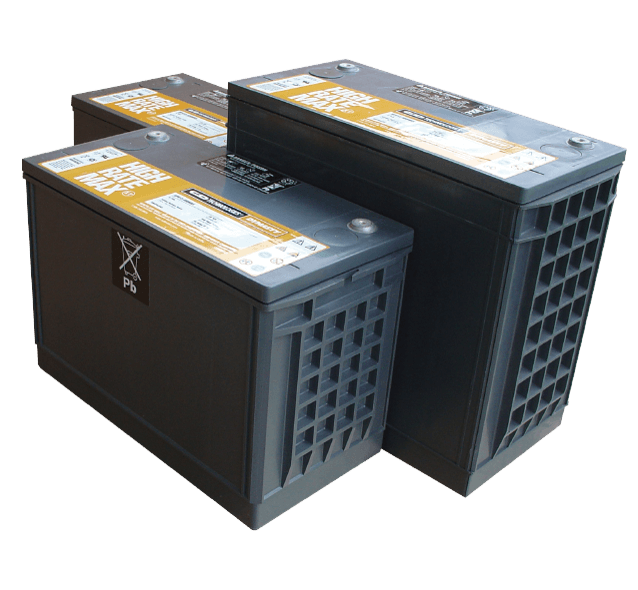
MRX Series
High Rate Max XT, next generation of original Dynasty , Valve Regulated Lead Acid Battery Designed for UPS Standby Power Applications
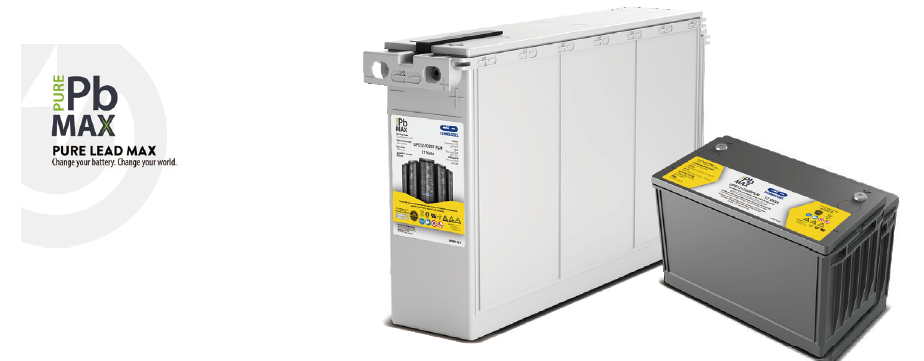
Pure Lead Max AGM Battery for UPS (China)
Premium battery for UPS & data centers with super-long life, extreme high-rate, ultra-low float current and excellent high-temperature performance.7y warranty @25°CC&D’s longest lasting VRLA battery for UPS systems and offers a single-replacement which helps to reduce total cost of ownership. Helps to reduce power consumption and support sustainability initiative thanks to its ultra-low float current as well as excellent high-temperature performance.
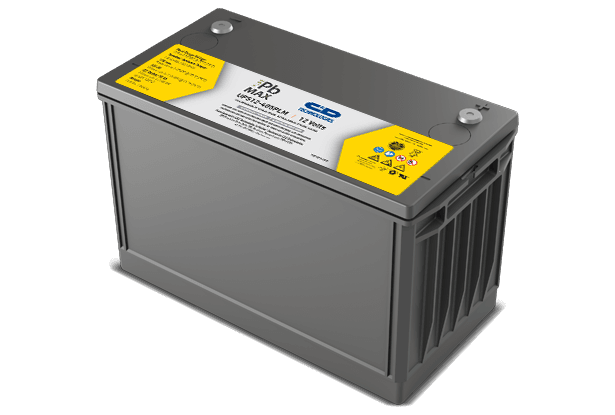
Pure Lead Max AGM Battery for UPS (USA)
Pure Lead Max Batteries are C&D’s longest lasting VRLA batteries for UPS systems. This pure lead AGM battery is backed by an industry-leading 8-year warranty. Thanks to patented pure lead alloy and catalyst technology, this pure lead AGM battery can reduce total cost of ownership by offering a sustainable, single-replacement for a 15-year UPS system. The safe choice for your data center battery backup needs.
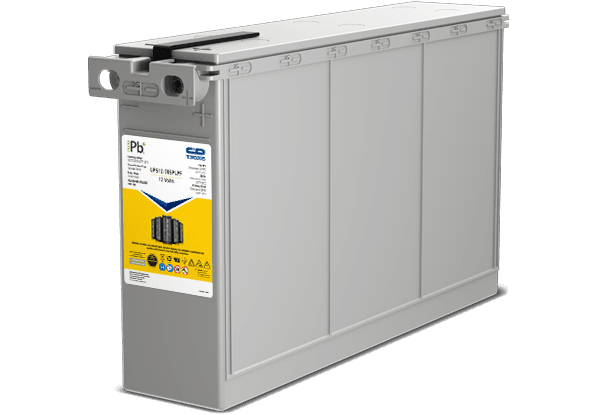
Pure Lead Plus AGM Battery for UPS (China)
For extra high-rate application, especially 5min backup Designed with pure lead technology for extra high-rate application with long life and stable performance Super low float current, which significantly increase the battery operation life, especially at high temperature.
Pure Lead Plus AGM Battery for UPS (USA)
C&D Pure Lead Plus UPS batteries feature the safe and sustainable design of VRLA. Thanks to proprietary paste and grid technology, our Pure Lead Plus batteries reduce your replacement costs by up to 40% and have a 2-year shelf life operating at higher ambient temperatures. The Pure Lead Plus line is the smart choice for your data center backup needs.
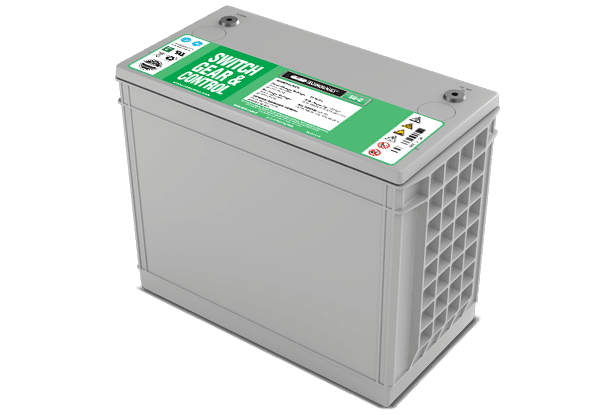
Switchgear & Control Series AGM Battery
Extensive life cycle testing ensures the longest and most reliable service life possible C&D Technologies Switchgear & Control Series AGM Battery (SGC series) provide standby power in Switchgear & Control applications. SGC stationary batteries are powering energy & infrastructure projects including battery change-out trucks, electric utility substations, telephone backup, microwave sites, signaling sites, offshore platforms, and more.
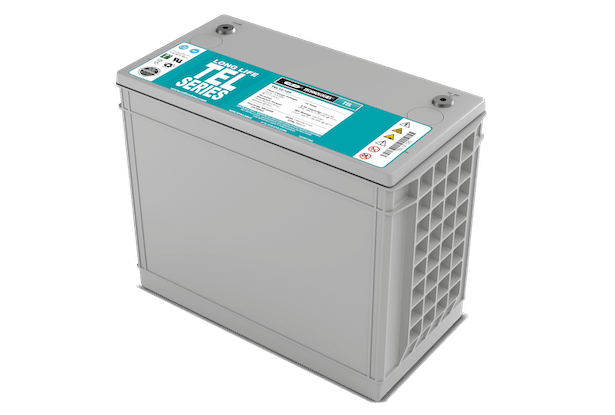
TEL Long Duration Series AGM Battery
Telcordia certified life exceeding 10 years. C&D Technologies TEL Long Duration series batteries are designed to provide standby power to critical applications in the Telecom industry. The batteries in this long duration series are Telcordia-tested, qualified to meet superior standards on extensive life cycles, and ensure the longest and most reliable service life possible.
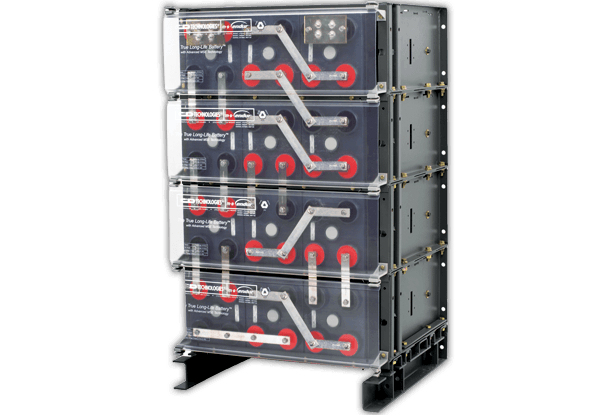
msEndur II Pure Lead AGM Battery
The original high-temperature-capable VRLA battery C&D’s msEndur II AGM Pure Lead battery is the most advanced 2V VRLA solution for Telecom, UPS, and Utility applications. As the original high-temperature-capable VRLA battery, it brings decades of proven field performance. By combining the service life reliability of a flooded battery with the performance energy density of a valve-regulated battery, the msEndur is the True Long-Life Battery™ for controlled and uncontrolled environments.
Our engineers are ready to help you find the right power solution.
